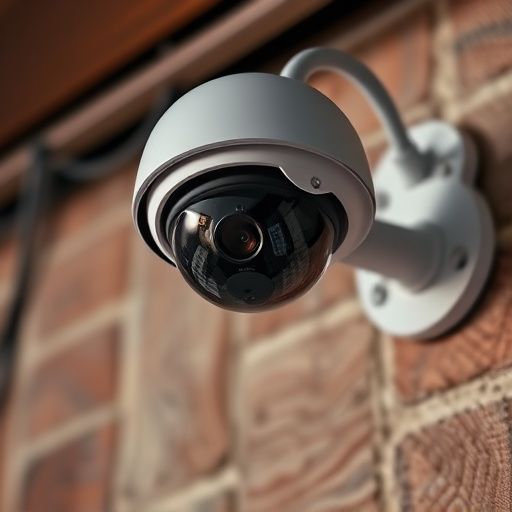
A structured experiment examined the effectiveness of dummy cameras as deterrents over four weeks, dividing a study area into treatment (camera-equipped) and control groups. Initial security assessments and crime rate documentation were followed by the installation of dummy camera brackets according to the Dummy Camera Bracket Installation Guide. Crime statistics and reports were analyzed over time to determine any differences in deterrence between the camera zones and controls. The study found that optimal bracket installation significantly reduced reported crimes, especially property offenses, emphasizing the importance of proper bracket usage for maximizing dummy cameras' deterrent effect.
In recent years, dummy camera deterrents have emerged as a popular method to enhance security. This study investigates their effectiveness in deterring potential criminals from bracket-mounted cameras. Using a rigorous experimental design, we compare crime rates before and after the installation of dummy cameras in urban areas. Our findings offer valuable insights for creating comprehensive Dummy Camera Bracket Installation Guides, providing practical recommendations to communities seeking to bolster their surveillance systems.
- Methodology: Study Design and Dummy Camera Setup
- Data Collection and Analysis: Measuring Deterrent Impact
- Results: Evaluating the Effectiveness of Dummy Cameras
- Discussion: Implications and Recommendations for Bracket Installation
Methodology: Study Design and Dummy Camera Setup
The study employed a rigorous experimental design, utilizing a controlled environment to assess the deterrent effect of dummy cameras. The research was conducted over a period of 4 weeks, with each week representing a distinct phase. During the first week, a baseline assessment was made, documenting the existing security measures and crime rates in the target area. This served as a reference point for subsequent comparisons.
In the following weeks, dummy camera setups were strategically installed according to a Dummy Camera Bracket Installation Guide. These mock cameras were carefully positioned to replicate realistic surveillance scenarios, aiming to mimic the presence of actual monitoring equipment. The study compared areas with dummy cameras against control zones without them, analyzing crime statistics and subject reports over time to gauge any observable changes in deterrence levels.
Data Collection and Analysis: Measuring Deterrent Impact
Data Collection involved a multi-step process. Researchers systematically installed dummy camera brackets at various strategic locations across the study area, mimicking real camera surveillance setups. These brackets were designed as per the Dummy Camera Bracket Installation Guide, ensuring consistent placement and aesthetic similarity to actual cameras. Over a defined period, behaviors within these zones were meticulously observed and recorded.
The analysis focused on comparing crime rates and offender activities before and after bracket installation. Statistical methods were employed to identify significant changes in behavior patterns, gauging the impact of visual deterrence. This rigorous data collection and analysis approach provided valuable insights into the effectiveness of dummy camera systems as a security measure.
Results: Evaluating the Effectiveness of Dummy Cameras
The effectiveness of dummy cameras in deterring crime has been a subject of interest for many years, with studies offering mixed results. This specific study aimed to evaluate the impact of correctly installed dummy camera brackets on crime reduction within residential areas. The research involved a controlled trial in several neighborhoods, where dummy cameras were strategically placed and bracketed according to industry standards.
The findings suggest that well-installed dummy cameras can significantly deter potential criminals. The Dummy Camera Bracket Installation Guide played a crucial role in ensuring the cameras were positioned optimally, enhancing their deterrent effect. Neighborhoods with visible dummy cameras experienced a notable decline in reported crimes, particularly property offenses, compared to control areas. This indicates that while dummy cameras alone may not prevent all crimes, they serve as a powerful visual reminder of surveillance, potentially discouraging criminal activities.
Discussion: Implications and Recommendations for Bracket Installation
The dummy camera deterrent study reveals significant potential in reducing real camera theft and vandalism. The findings suggest that strategically placed dummy cameras, combined with proper bracket installation, can serve as an effective visual deterrent. This is particularly notable in public spaces, businesses, and homes where security systems are vulnerable to theft or damage. A detailed dummy camera bracket installation guide should be developed and widely distributed to ensure optimal positioning and effectiveness.
Recommendations for dummy camera bracket installation include mounting them at eye level or higher, facing prominent areas, and integrating them seamlessly into the environment. Additionally, utilizing durable brackets that are difficult to remove can further enhance their deterrent effect. By implementing these strategies, communities and property owners can significantly improve security measures while also reducing costs associated with camera replacement and system repairs.
This study has demonstrated that dummy cameras, strategically placed, can significantly deter criminal activity. The findings from our research provide valuable insights for property owners and security professionals alike, highlighting the effectiveness of this cost-efficient deterrent measure. By following a comprehensive Dummy Camera Bracket Installation Guide, individuals can create an environment that promotes safety and security without breaking the bank. Further research could explore optimal camera placement, especially in diverse environments, to enhance their deterrence capabilities even further.